AESTHETIC CARE, APPROACHED WITH INTENTION
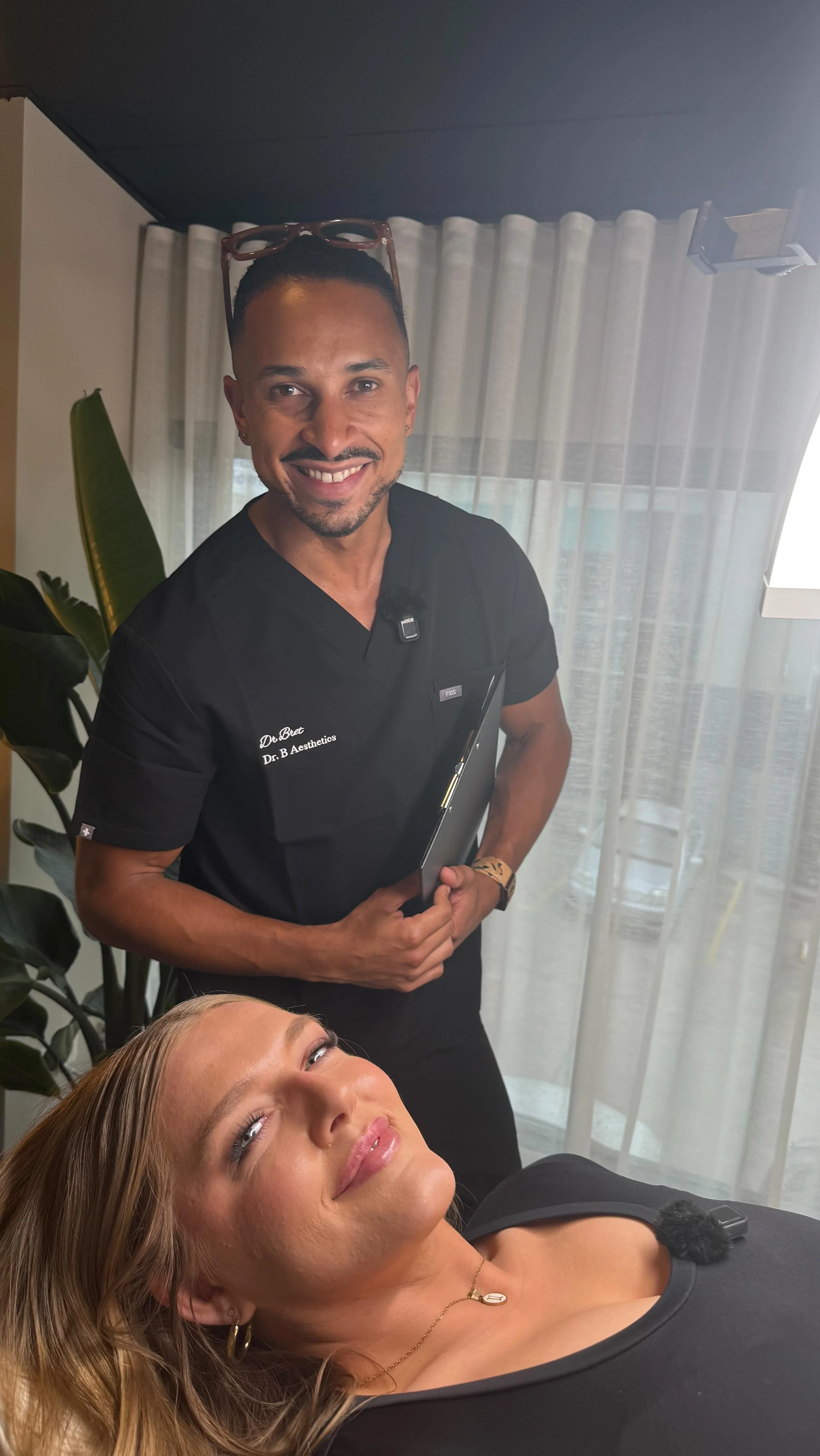
Dr Bret Burgess (MBChB, BSc First Class Hons)
Medical Practitioner | Aesthetic Medicine
Dr Bret Burgess is a UK-trained medical practitioner who obtained his medical degree from the University of Leeds in 2010. He also holds a Bachelor of Science with First Class Honours in Medical Anatomy, with a focus on facial anatomy and dissection.
Prior to relocating to Australia in 2016, Dr Burgess undertook surgical training in the United Kingdom. In Australia, he worked in hospital-based surgical services including General Surgery and Trauma in registrar-level roles, developing a strong foundation in anatomy, procedural technique and clinical risk management.
In more recent years, Dr Burgess has worked extensively in Emergency Medicine, in both metropolitan and regional settings, managing complex and high-acuity presentations. This experience informs a measured, safety-focused approach to patient assessment, decision-making and clinical care.
Dr Burgess has undertaken advanced training in Aesthetic Medicine, including injectable treatment and comprehensive facial assessment, and maintains ongoing professional development in line with current clinical standards and evidence-based practice.
His approach to Aesthetic Medicine is grounded in detailed anatomical knowledge, individualised consultation and conservative treatment planning, with an emphasis on natural-appearing outcomes and patient safety.
Registration Details:
Dr Bret Burgess is registered with the Australian Health Practitioner Regulation Authority (AHPRA) as a Medical Practitioner.
Registration Number: MED0001773611
Registration Type: General Registration
Explore Common Concerns
-
Lines and wrinkles are a natural part of aging, but they can also be influenced by various factors.
Aging
As we age, our skin loses collagen and elastin, leading to a decrease in skin elasticity and firmness. This results in the formation of lines and wrinkles.
Sun Exposure
Prolonged exposure to the sun's harmful UV rays can accelerate skin aging and lead to the development of premature lines and wrinkles.
Smoking
Smoking can contribute to the breakdown of collagen and elastin in the skin, hastening the appearance of lines and wrinkles.
Facial Expressions
Repetitive facial movements, such as smiling, squinting, or furrowing the brow, can lead to the formation of dynamic wrinkles over time.
-
Volume changes in the face are a common aspect of ageing, and may alter facial contours over time.
Aging
As we get older, the production of collagen and hyaluronic acid decreases, leading to a loss of skin elasticity and volume. This can contribute to changes in skin elasticity and facial structure.
Genetics
Some individuals may be more predisposed to experiencing volume loss due to genetic factors that influence the structure and composition of their skin and tissues.
Weight Loss
Rapid or significant weight loss can also contribute to volume loss in the face, as fat stores are reduced, resulting in a loss of fullness in certain facial areas.
Sun Exposure
Prolonged exposure to UV rays can accelerate the breakdown of collagen and elastin in the skin, which may influence skin structure and contribute to visible aging changes.
-
Under eye darkness and contour changes are common features that may be influenced by a variety of factors.
Aging
As we age, the skin around the eyes becomes thinner and less elastic, making blood vessels and underlying structures more visible. This may influence the appearance of the under eye area over time.
Genetics
Genetics can play a significant role in under eye darkness and bags, with some individuals predisposed to having thinner skin or a specific anatomical structure that contributes to these concerns.
Lifestyle Factors
Lack of sleep, stress, poor diet, dehydration, and excessive sun exposure can exacerbate under eye darkness and bags, which may increase visibility of these changes.
Allergies and Sinus Issues
Allergies, sinus congestion, and other underlying health conditions can cause fluid retention and inflammation around the eyes, which may contribute to visible changes in the under eye region.
-
Nasolabial folds are natural facial contours that extend from the sides of the nose to the corners of the mouth. Their appearance may become more noticeable over time due to a range of structural and anatomical factors.
Aging
As part of the natural ageing process, changes occur in skin elasticity, collagen production, and underlying facial support structures. These changes may influence the depth and visibility of nasolabial folds.
Facial Structure
Individual facial anatomy, including bone structure, fat distribution and skin thickness, plays a significant role in how nasolabial folds appear. Some individuals may have more defined folds due to inherent structural characteristics.
Volume Changes
Changes in mid-facial volume over time may alter facial contours and contribute to increased definition in the nasolabial region.
Lifestyle and Environmental Factors
Factors such as sun exposure, smoking and overall skin health may influence collagen integrity and skin structure, which can affect the appearance of facial contours. -
Perioral lines, commonly referred to as vertical lip lines, are fine wrinkles that form around the mouth, particularly the upper lip. These lines may become more noticeable over time and can be influenced by factors such as aging, sun exposure, and repetitive facial movements.
The development of perioral lines is a natural part of the aging process. As collagen and elastin fibres gradually diminish, changes in skin elasticity can occur, contributing to the formation of fine lines. Repetitive puckering movements, or other facial expressions may also influence their visibility over time.
-
Crow's feet, also known as periorbital lines, are fine lines that form at the outer corners of the eyes. They commonly develop over time due to natural aging, repeated facial expressions (such as smiling or squinting), sun exposure, and gradual changes in collagen and elastin within the skin.
These lines are a natural part of facial movement and aging. Their visibility may vary between individuals depending on skin structure, genetics, and environmental factors.
A comprehensive consultation is required to assess individual suitability. All medical procedures carry risks. For detailed safety information, please refer to our ‘Treatment Risks and Important Safety Information’ section.
-
Chin Dimpling refers to small surface textural changes that may appear on the skin of the chin. These changes can occur due to overactivity of the mentalis muscle, which is located in the chin region. Repeated contraction of this muscle may influence the appearance of fine indentations or contour variation on the skin surface.
The presentation of chin dimpling varies between individuals and may be influenced by facial structure, muscle activity, genetic, and age-related changes in skin elasticity.
A comprehensive consultation is required to assess individual anatomy and determine whether treatment options are appropriate.
-
The lips, like other facial structures, undergo natural anatomical changes over time. These may include variations in volume distribution, contour definition and skin texture.
Common age-related changes may include:
Volume Changes: Over time, collagen and elastin production gradually decreases. This may influence lip structure and volume distribution.
Fine Lines: Repetitive movements such as speaking, eating and smiling can contribute to the formation of fine lines around the lips. Their visibility may increase with age.
Changes in Lip Contour: Alterations in skin elasticity and facial support structures may influence the position and contour of lip margins over time.
Hydration Changes: Natural reductions in moisture retention may contribute to dryness or textural variation in the lips.
Individual presentation varies and a comprehensive consultation is required to assess anatomy and determine whether treatment options are appropriate.
-
The shape and structure of the lips vary naturally between individuals. Lip anatomy is influenced by genetics, facial structure, age and environmental factors. Variations may occur in volume distribution, contour definition and symmetry.
Common anatomical variations may include:
Volume Distribution: Some individuals naturally have greater volume in the upper or lower lip, while others have more subtle volume. These differences represent normal anatomical diversity.
Cupid's Bow: The cupid's bow refers to the double curve of the upper lip. It’s definition varies between individuals and may change over time.
Lip Contour: The curvature of the lip margins may range from more rounded, to more horizontal in appearance. These variations are influenced by underlying facial structure.
Corner Position: The position of the oral commissures (corners of the mouth) may vary depending on facial anatomy and muscle activity.
Symmetry: Minor asymmetries in lip shape are common and reflect normal anatomical variation.
A comprehensive consultation is required to assess individual anatomy and determine whether treatment options are appropriate.
-
Marionette Lines refers to vertical folds or lines that extend from the corners of the mouth toward the chin. They represent a common anatomical variation and may become more noticeable over time.
Factors that may influence their development include:
Changes in Skin Support: Gradual changes in collagen and elastin production may affect skin structure.
Volume Redistribution: Age-related shifts in facial fat compartments and bone structure can influence lower facial contour.
Muscle Activity: Natural facial expressions and repetitive movements may contribute to line formation over time.
The degree of visibility varies between individuals. A comprehensive consultation is required to assess anatomy and determine whether treatment options are appropriate.
-
Excess Gingival Display refers to the visibility of gum tissue above the upper teeth when smiling. The degree of gum display varies between individuals and is influenced by factors such as upper lip anatomy, muscle activity, dental position and overall facial proportions.
A higher smile line represents a common anatomical variation and may be associated with:
• Upper lip elevation during smiling
• Muscle activity of the upper lip
• Tooth and jaw structure
• Individual facial proportions
A comprehensive consultation is required to assess smile dynamics, facial anatomy and individual suitability for treatment. All treatment options carry potential risks and side effects, which will be discussed in detail during consultation. -
Masseter Hypertrophy refers to enlargement of the masseter muscle, one of the primary muscles involved in jaw movement and chewing. Increased muscle bulk in this area may influence the contour and width of the lower face.
The degree of muscle prominence varies between individuals and may be influenced by factors such as genetics, jaw function and parafunctional habits including clenching and grinding.
Assessment requires a comprehensive consultation to evaluate facial anatomy, muscle activity and individual suitability for treatment.
-
Axillary Hyperhidrosis is a medical condition characterised by excessive sweating in the underarm region beyond what is required for normal temperature regulation.
The severity of sweating varies between individuals and may occur irrespective of environmental temperature or physical activity.
Persistent underarm sweating may affect clothing, daily activities and personal comfort.
A comprehensive consultation is required to assess symptoms, medical history and individual suitability for treatment. All treatment options carry potential risks and will be discussed in detail during the consultation.
-
Jawline contour varies naturally between individuals and may change over time. Factors such as genetics, skin elasticity, collagen production and facial fat distribution can influence the structure and definition of the lower face.
Age-related changes in bone structure and soft tissue support may contribute to alterations in jawline shape and lower facial proportions.
Individual anatomy differs significantly, and a comprehensive consultation is required to assess facial structure and determine whether treatment options are appropriate.
All treatments carry potential risks and side effects, which will be discussed in detail during the consultation.
-
Platysmal Bands are vertical bands in the neck that may become more noticeable over time. They are associated with changes in muscle tone of the platysma, a thin sheet of muscle that extends from the chest and shoulders to the jawline and lower face.
The visibility of these bands varies between individuals and may be influenced by age, muscle activity and overall skin structure.
A comprehensive consultation is required to assess neck anatomy and determine whether treatment options are appropriate. All treatments carry potential risks and will be discussed in detail during the consultation.
-
Non-Surgical Rhinoplasty involves the use of injectable treatment to modify selected aspects of nasal contour in appropriate candidates.
Suitability depends on individual nasal anatomy, skin thickness and overall facial structure. Not all anatomical concerns can be addressed with this procedure.Treatment longevity varies between individuals. In many cases, results may last approximately 9-18 months, depending on product selection, metabolism and individual anatomical factors. Duration cannot be guaranteed and will be discussed during consultation.
The nose is a complex anatomical region and careful assessment is essential. A comprehensive consultation is required to determine whether treatment is appropriate.
Please refer to the ‘Treatment Risks & Important Safety Information’ section for detailed information regarding potential risks and complications. -
Cosmetic injectable treatments, including botulinum toxin and dermal fillers (prescription medical devices), are medical procedures. All medical procedures carry risks and potential complications. Individual suitability must be determined through a comprehensive consultation and clinical assessment with a registered health practitioner.
The information below outlines potential risks and recovery considerations. It is general in nature and does not replace personalised medical advice.
Botulinum Toxin
Common effects may include:
- Temporary redness, swelling or bruising
- Mild discomfort at injection sites
- Headache
- Temporary asymmetry or heaviness
Less common risks may include:
- Eyelid or brow drooping (ptosis)
- Dry eye or excessive tearing
- Visual disturbance
- Unintended weakness in adjacent muscles
Rare but serious risks may include:
- Allergic reaction
- Infection
- Difficulty swallowing, speaking or breathing
- Spread of toxin effect beyond the treatment area
Recovery considerations:
Most individuals resume usual activities the same day. Mild swelling or bruising may persist for several days. Clinical effect typically develops over 3–14 days. Results are temporary and vary between individuals.
Dermal Fillers (Prescription Medical Devices)
Dermal fillers are prescription medical devices administered following medical consultation and suitability assessment.
Common effects may include:
- Swelling
- Bruising
- Redness
- Tenderness
- Temporary firmness or lumpiness
Less common risks may include:
- Asymmetry
- Prolonged swelling
- Delayed inflammatory reactions
- Infection
- Nodule formation
Rare but serious risks may include:
- Vascular occlusion (blockage of a blood vessel)
- Skin necrosis (tissue injury)
- Visual disturbance or blindness
- Stroke
Serious complications are uncommon but require urgent medical management.
Recovery considerations:
Swelling and bruising may persist for several days to two weeks. Final outcomes are assessed once swelling has resolved. Results vary between individuals.
Important Considerations
- Not all individuals are suitable candidates.
- A full medical history and assessment is required prior to treatment.
- Outcomes cannot be guaranteed.
- Follow-up or additional treatment may be required.
- Cosmetic procedures do not prevent the natural ageing process.
Seek prompt medical attention if you experience increasing pain, skin discoloration, changes in vision, or any concerning symptoms following treatment.
Independent Regulatory Information
For independent information regarding cosmetic injectable treatments, including risks and regulatory guidance, please refer to the Therapeutic Goods Administration (TGA):
https://www.tga.gov.au/resources/explore-topic/cosmetics/cosmetic-injections
REFINED. CONSIDERED. PERSONALISED.
REFINED. CONSIDERED. PERSONALISED.
@DR_B_AESTHETICS